Raspberry Pi Projects

Raspberry Pi guides for every generation, from Pi Zero edge deployments through Pi 4 homelab clusters to the Pi 5 as a legitimate server platform. Covers OS selection and flashing, headless setups, GPIO projects, network appliances like Pi-hole and WireGuard, Kubernetes on ARM, and the small set of operational habits that keep SD cards from dying. The Pi is the single most underrated way to learn production infrastructure skills without a production budget. Every guide here is built on hardware we own and use daily. If you want practical Pi projects that teach real skills rather than just demonstrate the hardware, start here.

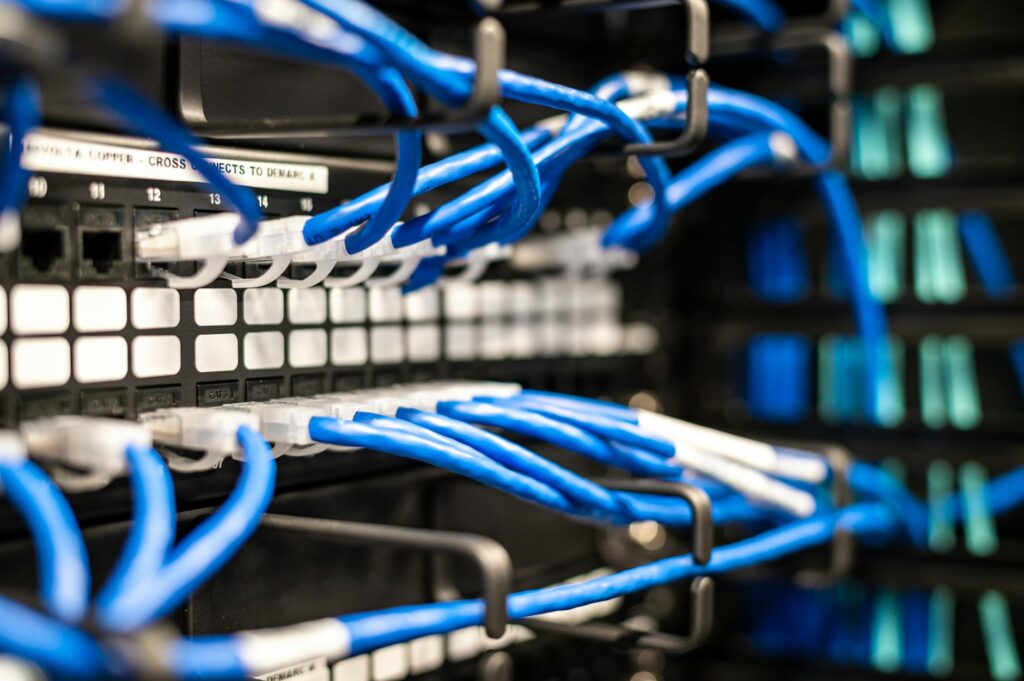
Network patch panel with ethernet cables connected, representing home network infrastructure for dynamic DNS

How to Set Up DuckDNS for Free Dynamic DNS (Raspberry Pi and Linux)

How to Set Up DuckDNS for Free Dynamic DNS (Raspberry Pi and Linux) Before I set up proper internal DNS, DuckDNS was the glue holding my remote access together. I had a Raspberry Pi running a handful of services at home, a residential IP address that changed every few days, and no interest in paying

How to Set Up DuckDNS for Free Dynamic DNS (Raspberry Pi and Linux) Read More »

K3s: Real Kubernetes on a Raspberry Pi

K3s: Real Kubernetes on a Raspberry Pi

K3s: Real Kubernetes on a Raspberry Pi Let me be honest upfront: running Kubernetes on a single Raspberry Pi is over-engineered. For running a few containers, Docker Compose is simpler, lighter, and more appropriate. If your goal is purely practical — get services running with minimum fuss — you don’t need Kubernetes. That’s not the

K3s: Real Kubernetes on a Raspberry Pi Read More »

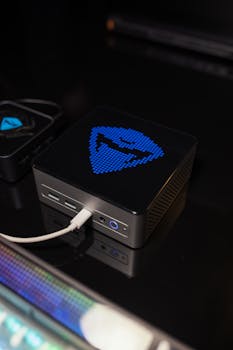
Compact mini PC with customizable digital display glowing in blue on a dark desk setup.

Raspberry Pi vs Mini PC for Homelab (Power Draw + Real Use)

Raspberry Pi or mini PC for a homelab? It is a question I get asked weekly, and the answer is more “both, for different things” than people expect. I have run both for years. The Pi handles lightweight services where low power and a small footprint matter. The mini PC runs everything else: virtualisation, databases,

Raspberry Pi vs Mini PC for Homelab (Power Draw + Real Use) Read More »

Scroll to Top